Showing posts with label Polaroid SX-70. Show all posts

Photographer Profile ~ Mike Brodie AKA "The Polaroid Kidd"

Mike Brodie (born in 1985), best known by his pseudonym ”Polaroid Kidd” is a self-trained American photographer from Pensacola, Florida.

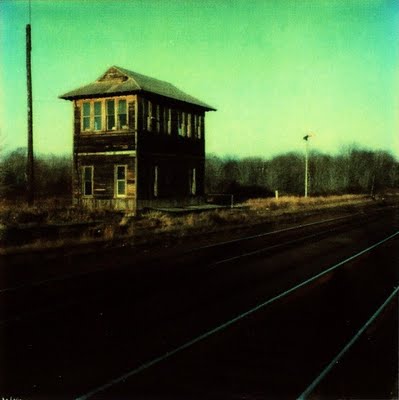
 In 2003 Brodie left home at 18 to travel the rails across America. A friend gave him a camera and he found himself spending three years photographing the friends and companions he encountered with the Polaroid SX-70. Polaroid discontinued SX-70 film, so now he shoots on 35mm on a Nikon F3.

 His photographs have been featured in exhibits in Milwaukee, at Get This! Gallery in Atlanta and in Los Angeles at M+B Gallery. His work was also selected to appear in the 2006 edition of the Paris International Photo Fair at the Louvre. In November 2007 he collaborated with Swoon and Chris Stain to mount an installation at Gallery LJ Beaubourg in Paris. He also has had collaborative shows with artist Monica Canilao.

 His photographs largely depict what he refers to as “travel culture”, train-hoppers, vagabonds, squatters and hobos.

 Critic Vince Aletti of artsandantiques.net says of Brodie’s work: “Even if you’re not intrigued by Brodie’s ragtag bohemian cohort—a band of outsiders with an unerring sense of post-punk style—the intimate size and warm, slightly faded color of his prints are seductive. His portraits…..have a tender incisiveness that is rare at any age.”


"One day, I came across a book of portraits by Steve McCurry, the Nat Geo photographer. I was inspired, and told myself I was going to go take portraits like him, so I went out in the world and tried my best to get good photos of the people and places that I thought were important to me. " ~  Mike Brodie
Mike Brodie AKA "The Polaroid Kidd" Self Portrait with a friend.

MikeBrodie-05.jpg
MikeBrodie-02.jpg


You have read this article american photographer / Character Portrait / Editorial Portrait / Mike Brodie / Nikon F3 / Polaroid / Polaroid SX-70 / The Polaroid Kidd with the title Polaroid SX-70. You can bookmark this page URL http://nikiinwonderland.blogspot.com/2013/02/photographer-profile-mike-brodie-aka.html. Thanks!

Vintage Commercial for My Favourite Polaroid Camera ~ The SX-70

You have read this article Polaroid SX-70 / Vintage camera ad with the title Polaroid SX-70. You can bookmark this page URL http://nikiinwonderland.blogspot.com/2011/07/vintage-commercial-for-my-favourite.html. Thanks!

Photographer Profile ~ Walker Evans

Walker Evans was born in St. Louis, Missouri, (1903) and came from an affluent family. His father was an advertising director. In 1926 Walker Evans dropped out of Williams College and arrived in Paris to launch his career as a writer. Though his life there revolved around the renowned Shakespeare and Company bookstore, a mixture of introversion and disdain for American culture kept him at a distance from the now famous expatriate circle of the era, Fitzgerald, Hemingway, Murphy and the like. Evans said in an interview "The thing that kept me from knowing the Americans was that I was anti-American. I was not fleeing them but I disdained the moneyed, leisured, frivolous, superficial American who didn’t – well, like Scott Fitzgerald. I wouldn’t have paid any attention to him at all, however famous and successful a writer he was, because he wouldn’t speak French and had materialistic values. He was in love with the rich. I though this was terrible. I would have nothing to do with it." 


Evans was a huge fan of James Joyce. He said about Joyce in an interview "He was my god. That, too, prevented me from writing. I wanted to write like that or not at all."  Evans spent most of his time abroad alone and picked up his camera from time to time to document his immediate world, making images of his boarding room and his own shadow against a wall. When he returned to the States, Evans began to dedicate more time to his hobby, and by the end of his long career had established himself as one of the most important modernist photographers.

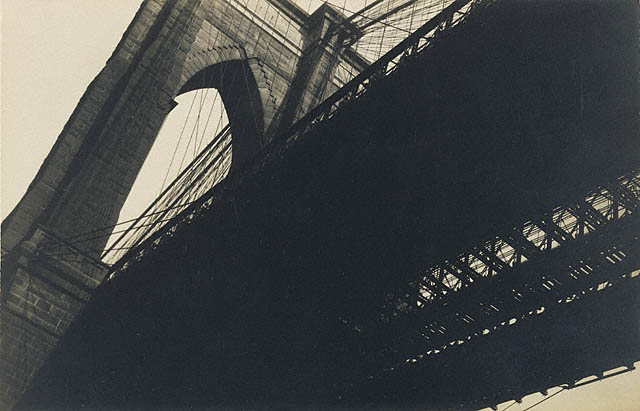
After returning to the United States, he began to establish himself as a photographer with images of architecture and everyday life. In 1933, writer Lincoln Kirstein described Evans’s work as possessing a ‘tender cruelty’, referring to his combination of a clear, factual gaze with empathy for his subject matter. In 1935, Evans joined the Farm Security Administration to document the lives of the rural poor at the height of the Depression. With writer James Agee, he produced an extensive study of white tenant farmers in the Deep South, published as Let Us Now Praise Famous Men (1941).


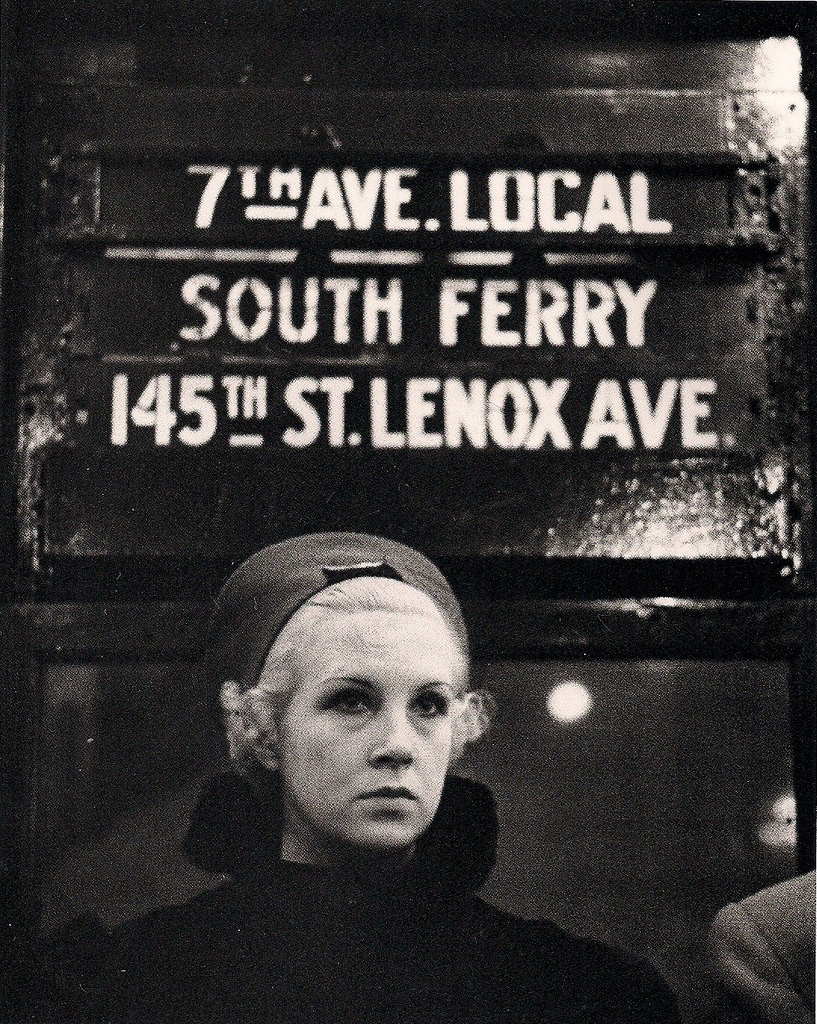
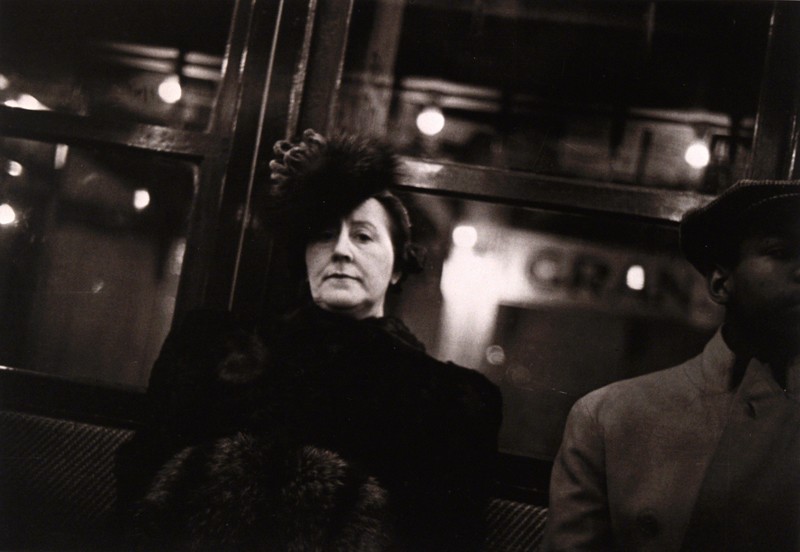
In 1943 Evans was hired by Time, Inc., and he spent the next 22 years with that publishing empire, most of them with the business magazine Fortune, with whom he developed a relationship as a photographer and writer that involved a comfortable salary and substantial independence. He continued to photograph architecture, especially rural churches, and he also began a series of revealing, spontaneous photographs of people taken in the New York City subways; the series was eventually published in book form as 'Many Are Called' in 1966. In 1965 he began teaching in the School of Art and Architecture of Yale University, and in the following year he retired from Time, Inc.


During the 1940 and '50s—the heyday of photojournalism in the magazines—Evans, with his prickly, superior intelligence and jealously guarded independence, was not a useful role model for most working photographers. Yet, as the promise of the magazines began to lose its lustre, Evans increasingly became a hero to younger photographers who were not comfortable as part of an editorial team. Robert Frank, Garry Winogrand, Diane Arbus, and Lee Friedlander are among the most significant later photographers who have acknowledged their debt to Evans. His influence on artists in fields other than photography has also been great.

(Via biography.com and MoMA )

Self-portrait (1927)Walker Evans Archive, The Metropolitan Museum of Art


Walker Evans 1937
Evans's photo of Allie Mae Burroughs, a symbol of the Great Depression


"Whether he is an artist or not, the photographer is a joyous sensualist, for the simple reason that the eye traffics in feelings, not in thoughts. "~ Walker Evans


“my idea of what a portrait ought to be: anonymous and documentary and a straightforward picture of mankind.” Walker Evans
Food Line


*click on the following images for larger view. Great detail from the 8x10 camera Evans used.


Walker Evans In Cuba


In 1933, Walker Evans traveled to Cuba to take photographs for The Crime of Cuba


"Stare, pry, listen, eavesdrop. Die knowing something. You are not here long." ~ Walker Evans


Walker Evans Little Known Polaroid SX-70's


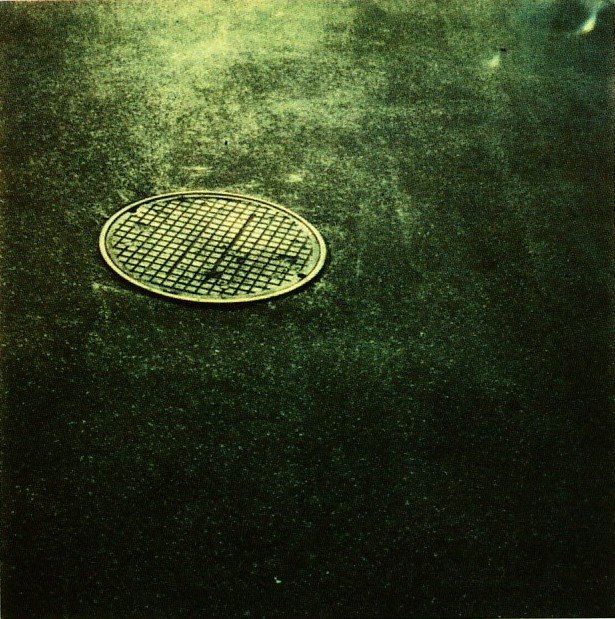
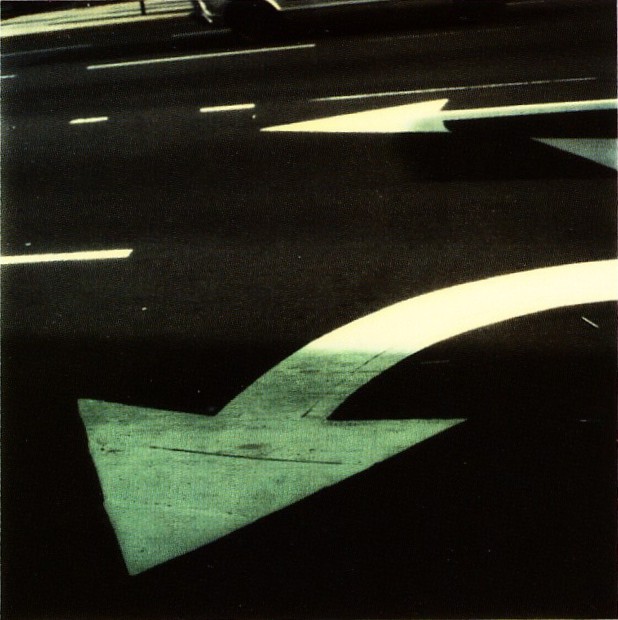
 In 1973 Walker Evans began to work with the innovative Polaroid SX-70 camera and was given an unlimited supply of film from its manufacturer. The virtues of this camera, introduced in 1972, perfectly fit Evans's search for a concise yet poetic vision of his world: its instant prints were for the infirm seventy-year-old photographer what scissors and cut paper were for the aging Matisse. The unique SX-70 prints are the artist's last photographs, the culmination of half a century of work in photography. With this new camera, Evans returned to some of his key motifs -signs, posters, and their ultimate reduction, the letter itself. "Nobody should touch a Polaroid until he's over sixty," Evans once said. It was only, he implied, after years of work and struggle and experimentation, years of developing one's judgment and vision, that the instrument could be pushed to its full, revelatory potential. Using the SX-70, and leaving aside the intricacies of photographic technique, Evans stripped photography to its bare essentials: seeing and choosing. The 300 images in a new book book, almost all of them unpublished, were selected from a total of approximately 2500 Polaroids that Evans left behind when he died in 1975


Check out an in-depth interview with Walker Evans here


You have read this article black and white / documentary photographer / masters of photography / photojournalist / Polaroid / Polaroid SX-70 / Walker Evans with the title Polaroid SX-70. You can bookmark this page URL http://nikiinwonderland.blogspot.com/2011/06/photographer-profile-walker-evans.html. Thanks!
Related Posts Plugin for WordPress, Blogger...